This blog post was provided by Elder Care, a Cohort 6 Grantee.
For many older adults, getting to a medical appointment involves more than finding transportation. Sometimes, what is really needed is another person.
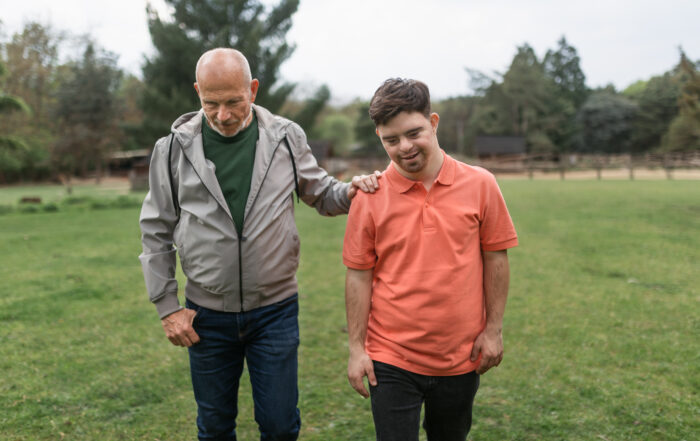
That is the idea behind Elder Care’s new Volunteer Chaperone Program, made possible through support from Community Care Corps (C3). The program connects trained volunteers with older adults and adults with disabilities who need someone to accompany them to non-emergency medical appointments.
For the individuals we serve, this type of assistance can make an important difference.

Elder Care has served older adults, adults with disabilities, and caregivers in northeastern Oklahoma for more than four decades. Through that work, we have seen how seemingly small barriers can affect a person’s ability to remain healthy and independent.
An individual may have transportation available but still needs assistance navigating a medical office, getting to and from the vehicle, checking in for an appointment, or having someone alongside them throughout the experience. Family caregivers often fill that role, but work schedules, family responsibilities, distance, and other obligations can make it difficult for them to be available for every appointment.
The Volunteer Chaperone Program is designed to help fill that gap.
Through the program, Elder Care recruits, screens, and trains community volunteers who can accompany participants to medical appointments and provide nonmedical support along the way. Volunteers receive training designed to prepare them to serve older adults and adults with disabilities safely, respectfully, and with an understanding of appropriate boundaries.
Our goal is not to replace family caregivers, health care professionals, or transportation providers. Instead, we want to add another layer of community support.
That support can have an impact that extends beyond a single appointment.
For an older adult who wants to continue living independently, knowing that someone is available to accompany them to an appointment can remove one more obstacle to accessing care. For a family caregiver balancing employment, children, and caregiving responsibilities, a trusted volunteer can provide valuable support. For volunteers, the program creates an opportunity to make a direct and personal difference in the life of someone in their community.
Over the course of the grant period, Elder Care plans to recruit 15 volunteers and expand chaperone support to approximately 60 older adults and adults with disabilities, while also providing additional support for family caregivers.
However, we believe the impact of the Volunteer Chaperone Program will be measured by more than the numbers.
The impact will be found in appointments that are easier to attend, caregivers who know they have additional support, and older adults who feel more confident continuing to live independently in the communities they call home. C3 is helping Elder Care turn the simple act of showing up for someone into an organized network of support.
Sometimes making a difference does not require doing something extraordinary. Sometimes it begins with a volunteer saying, “I’ll go with you.”